The plant compound sold as a gentle stand-in for retinol. What it is, what the one head-to-head trial really found, how to use it, and what 7 skincare experts said about it on camera.
Bakuchiol is sold as the gentle, plant-based answer to retinol, and the pitch raises some fair questions. Is it really a natural retinol? Does it work as well? Is it safe in pregnancy, as it is often sold? And if your skin hated retinol, is this the one to try?
So does it live up to the pitch? The experts we follow lean warm on it, and they like it for one thing above all: retinol-style results without the flaking. The doubters take issue with the comparison itself.
Bakuchiol's Guru Score is 71%, from 9 mentions by 7 skincare experts, among them dermatologists, a plastic surgeon and a skincare consultant. Kelly Driscoll's objection is aimed at the idea of bakuchiol as a natural retinol, which, chemically, it is not. Below, what the experts said sits next to what the studies found, so you can see where the two line up.
The quick answer
Bakuchiol is a plant compound used in skincare to soften fine lines and even out tone, sold as a gentler alternative to retinol. The experts we track lean warm on it, mostly as a gentle option for skin that cannot handle retinol. It is not a retinoid: it comes from the babchi plant and has no structural resemblance to vitamin A, though in lab tests it switched on many of the same genes as retinol [1]. The best-known trial found 0.5% bakuchiol did about as well as 0.5% retinol over 12 weeks, with less stinging and scaling [2]. That trial was small, and a 2024 review found most bakuchiol trials had no control group [3].
Before you buy
What to look for in a bakuchiol product
Around 0.5% bakuchiolThe main trials used 0.5%, applied twice a day [2, 5, 9]. A higher number is not automatically better.
A brand you trustMad About Skin advises buying from brands you trust, since some serums contain very little.
Retinol in the formulaSome bakuchiol products also contain retinol, so read the ingredients, especially if you are pregnant.
Realistic expectationsIt is not a retinoid [1], and the head-to-head evidence is one small 12 week trial against 0.5% retinol [2].
Bakuchiol at a glance
Question
What we found
What is it used for?
Signs of ageing: fine lines, uneven tone and dark spots [2, 5].
Do skincare experts recommend it?
Broadly, yes, as a gentle option for skin that cannot handle retinol.
Is it a retinoid?
No. It is a plant compound with no structural resemblance to retinoids, though it behaves like retinol in some lab tests [1, 4].
Is it as good as retinol?
One small 12 week trial found no clear difference against 0.5% retinol [2]. How it compares with prescription retinoids still needs research [13].
Is it gentle?
Generally. In the head-to-head trial, the retinol group reported more scaling and stinging [2]. Allergic reactions are rare but have been reported [10, 11, 12].
How long until it works?
The main trials judged results at about 12 weeks of twice daily use [2, 5].
Is it safe in pregnancy?
Not established. Its safety in pregnancy has not been studied enough, so ask your doctor first [13].
Bakuchiol for skin: what does it do?
Bakuchiol is a plant compound found in the seeds and leaves of Psoralea corylifolia, the babchi plant [1]. The plant has been used for centuries in Chinese and Ayurvedic medicine, and skincare uses a purified form of the compound [5]. You will find it in serums, moisturisers and eye creams, often marketed as a natural retinol.
Its reputation comes from lab work. In skin models grown in the lab, bakuchiol changed gene activity in a pattern very like retinol's, including switching on genes for collagen[1]. That is why researchers call it a functional analogue of retinol: in some tests it behaves like retinol without being one [1, 4].
Chemically, it is not a retinoid. It has no structural resemblance to retinoids [1, 4], so 'natural retinol' is marketing shorthand rather than chemistry. Kelly Driscoll makes exactly this point, and the research backs her up.
The short versionBakuchiol is a plant compound that acts a bit like retinol in the lab. It is not vitamin A and not a retinoid.
What do skincare experts say about bakuchiol?
Here is what each of them said on camera, with a link to the moment they said it.
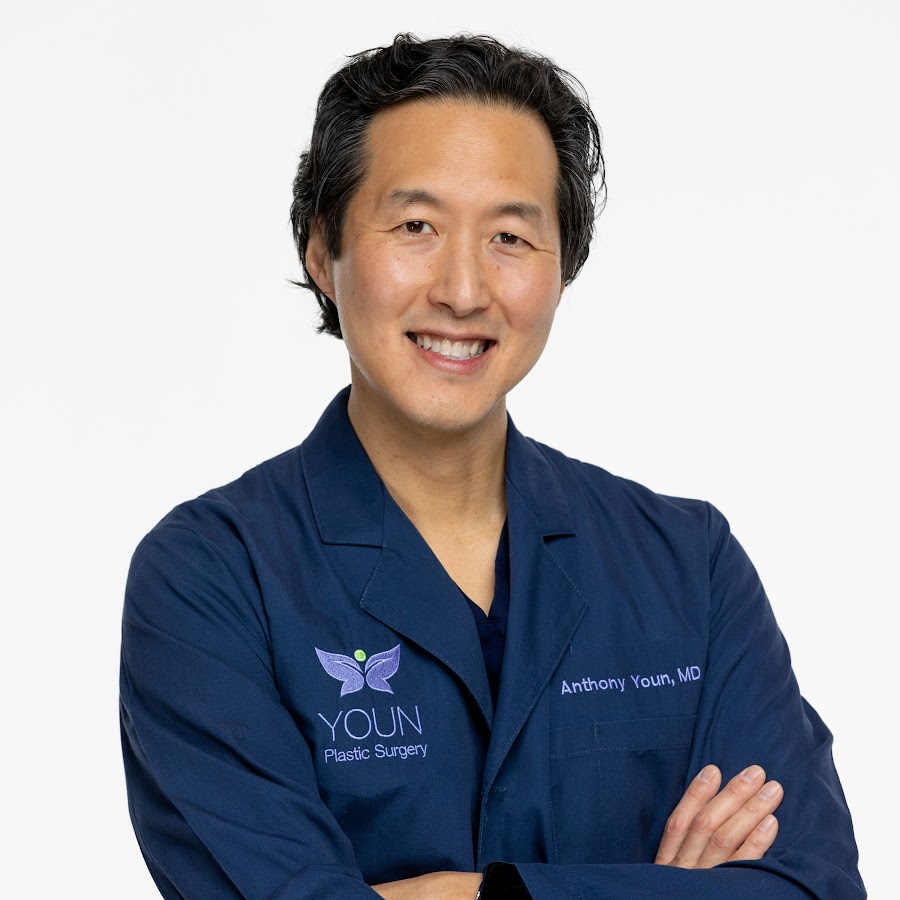
Points to the head-to-head trial with retinol and recommends bakuchiol for anyone retinol left dry and flaky.
There was a study that compared the effects of bakuchiol to retinol head-to-head and found them to have very similar anti-aging properties for the skin but one big difference was that bakuchiol did not result in the skin irritation that retinol did. So for those of you who maybe have tried retinol and you found that it wasn't great for your skin because you got real dry and flaky and it never went away, I definitely recommend trying bakuchiol.Watch ▸
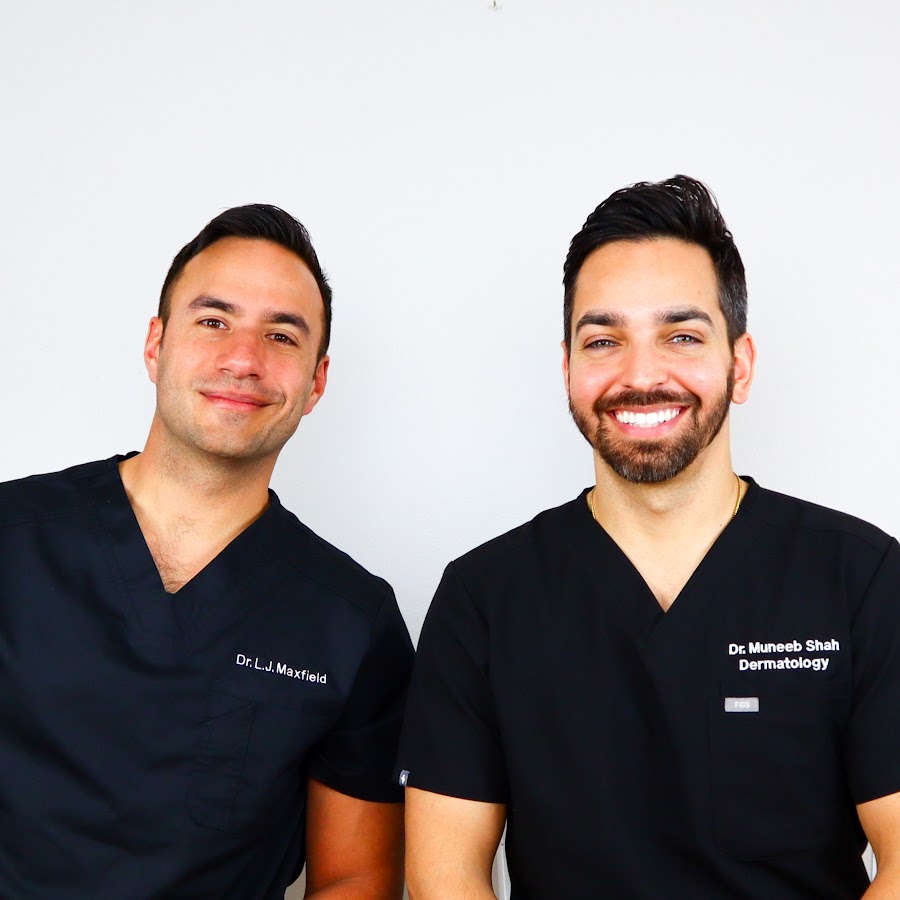
Rates it for very sensitive skin and retinoid beginners, but warns the results come more slowly.
But there are some data and studies behind bakuchiol to show how effective it can be. I think bakuchiol is going to work best for super sensitive skin types. You're not going to quite get the quick results as you will with some of the other retinol alternatives, but you'll get next to no irritations.Watch ▸
Includes bakuchiol in a pregnancy routine, but says to read the label first, because some products add retinol.
Bakuchiol serum or Bakuchiol Cream, you need to check the ingredients before buying. If retinol or any form of retinol appears in the Bakuchiol Cream or serum, then it is not for you.Watch ▸
Calls bakuchiol overrated and overhyped but solid, because it keeps being sold as a natural retinol.
Bakuchiol is overrated and overhyped but solid. [...] It's overrated and overhyped because it is often being compared to retinol. I've often heard it referred to as a plant derived retinol, I've also heard it being called a natural retinol, and I often hear it being referred to as like better than retinol with retinol-like benefits but a lot gentler for the skin.Watch ▸
Key takeawayThe fans rate bakuchiol as a gentle option for skin that cannot handle retinol. The sceptics object to calling it a retinol at all.
Where do the experts agree?
The experts lean warm on bakuchiol, so the caveats are where the useful detail sits.
Where they agree
It is gentler on the skin than retinol, with less flaking and stinging.
It suits sensitive skin and people who could not get on with retinol.
It is a slow, long-term habit rather than a quick fix.
The caveats
It is not a retinoid, so 'natural retinol' is a marketing label, not chemistry [1].
The head-to-head evidence is one small 12 week trial against 0.5% retinol [2].
Allergic reactions are rare but have been reported [10, 11, 12].
Its safety in pregnancy has not been properly studied [13].
What does the research say about bakuchiol?
The trial behind most of the excitement, and the one Doctor Youn describes, is a 2019 randomised, double-blind study of 44 people [2]. For 12 weeks, one group applied 0.5% bakuchiol cream twice a day and the other applied 0.5% retinol cream once a day. Both groups saw significant drops in wrinkle surface area and pigmentation, with no statistical difference between them, and the retinol group reported more scaling and stinging [2].
It is a useful study, and a modest one. It was small and short, it had no group on a plain cream for comparison, the two creams were used on different schedules, and it tested only one strength of retinol [2]. Finding no statistical difference in a trial this size is not the same as proving the two are equal. 'As good as retinol' is a fair reading of that one trial, at that one strength, and no more.
A 2026 trial added the missing comparison. In 73 Chinese adults, 0.5% bakuchiol twice a day did better than the same lotion without it on wrinkles, pigmentation, radiance and pore size over 84 days, and no adverse events were recorded [5]. Nearly all the participants were women, and the study was funded by the company that made the test lotion [5].
Beyond those two, the evidence is thinner. A 2024 systematic review of 15 human trials found 12 were open-label with no control group and 10 tested bakuchiol mixed with other ingredients, and judged the trials at high risk of bias [3]. Another 2024 review of anti-ageing cosmeceuticals gave bakuchiol a grade C recommendation, against grade A for retinol [6]. A 2025 network meta-analysis could not show a statistically significant effect of bakuchiol on fine wrinkles and called for more research [7].
For acne, there is one small open-label study: 13 people using 0.5% bakuchiol cream twice a day for 12 weeks had fewer inflamed spots and less post-acne pigmentation [9].
The thing to rememberPromising and gentle, with one small head-to-head trial and one placebo-controlled trial behind it. The wider evidence is weak, so 'as good as retinol' is not yet proven.
Bakuchiol vs retinol: which should you choose?
Most of the conversation about bakuchiol is really a conversation about retinol, so here is how the two stack up on what the research can tell us.
Which works better?
Retinol has far more evidence behind it, and reviewers rate it more highly [6]. Against 0.5% retinol, bakuchiol held its own in one trial [2], and how it compares with prescription retinoids still needs research [13]. Mad About Skin expects slower results from bakuchiol than from other retinol alternatives, but in the long run says it works really well.
Which is gentler?
In the head-to-head trial, the retinol group reported more scaling and stinging [2]. In a 4 week study of 60 women with sensitive skin, including people with eczema and rosacea, a bakuchiol cleanser and moisturiser were well tolerated, though that study had no comparison group [8]. One network meta-analysis put bakuchiol and retinol at a similar, intermediate risk of side effects [7], so gentler is likely rather than guaranteed.
Who it suits
If retinol leaves your skin dry, flaky or stinging, bakuchiol is a reasonable thing to try, and that is where the experts who rate it point it. If you want the strongest evidence for fine lines, retinol, or a prescription retinoid from a doctor, still has the edge [6].
If you remember one thingRetinol has the stronger evidence. Bakuchiol is the gentler option with less proof, and a sensible pick for skin that cannot get on with retinol.
How do you use bakuchiol in a skincare routine?
The main trials used 0.5% bakuchiol twice a day, morning and evening, and judged results at about 12 weeks [2, 5]. The Cleveland Clinic suggests applying it once or twice a day [13].
Morning or night?
Either. The main trials applied bakuchiol morning and evening [2, 5]. If you use it twice a day, the Cleveland Clinic suggests once in the morning and once in the evening [13].
Where it goes in your routine
Cleanse, apply a bakuchiol serum, then moisturiser [13]. In the morning, finish with sunscreen: the Cleveland Clinic advises it whether you use bakuchiol or retinol [13].
If your skin is sensitive
Bakuchiol is usually well tolerated, but irritation and allergic reactions can still happen [13]. A handful of allergic contact dermatitis cases have been reported [10, 11, 12]. Introduce it on its own, so you can tell what your skin is reacting to, and stop if a rash or itching appears.
Pregnancy and breastfeeding
Bakuchiol is often sold as pregnancy safe. The Cleveland Clinic says it has been suggested as less of a risk than retinol, but that more research on its safety in pregnancy is needed before that claim can be backed up, and advises speaking to your healthcare provider first [13]. Nipun Kapur adds a practical point: some bakuchiol products also contain retinol, so read the ingredients. Ask your doctor or midwife, including about breastfeeding.
Worth knowingOnce or twice a day, before moisturiser, with sunscreen every morning. Give it about 12 weeks, and check the label for retinol if you are pregnant.
What can you use bakuchiol with?
Bakuchiol is gentle enough that pairing is rarely a problem. The usual rule still applies: add one new active at a time, so you can tell what your skin is reacting to.
Bakuchiol and retinol
Doctor Youn suggests that if your skin handles retinol well, you could add bakuchiol rather than choose between them, and some products already combine the two. We found no controlled trial of bakuchiol and retinol used together. One open-label study tested a cream that combined bakuchiol with retinal, a potent retinoid, and other actives, and found it well tolerated, but it cannot show what each ingredient added [14]. If you try both, settle into retinol first.
Bakuchiol and peptides
A popular pairing, and Mad About Skin rates a serum that combines them. We found no trial testing the two together, so judge each on its own evidence.
Bakuchiol with exfoliating acids
We found no study of bakuchiol with AHAs or BHAs. If your skin is sensitive, use them on different nights or at different times of day, and add one at a time.
The experts' picks, by what you need
The best one for you depends on your skin and your budget, so here is the top-rated pick for each need, from the products below.
A high score for the ingredient does not carry over to every product that contains it. Strength, formula and what else is in the bottle all change the verdict. These are the highest-scoring products with bakuchiol in the name that at least two experts have rated, ranked by Guru Score. Some also contain retinol, so check the label, especially if you are pregnant.
Bakuchiol is used to soften fine lines and even out tone. In a 12 week trial, 0.5% bakuchiol reduced wrinkle surface area and pigmentation [2], and a 2026 trial found it beat a plain lotion on wrinkles, pigmentation and radiance [5]. In lab tests it switches on many of the same genes as retinol [1].
02
Is bakuchiol a retinoid?
No. Bakuchiol is a plant compound from the babchi plant, and it has no structural resemblance to retinoids or vitamin A [1, 4]. Researchers call it a functional analogue of retinol because it changed gene activity in a similar way in lab skin models [1]. Kelly Driscoll, among our experts, is firm that calling it a natural retinol is wrong.
03
Bakuchiol vs retinol: which is better?
Retinol has much more evidence behind it, and a 2024 review graded it higher [6]. In the one head-to-head trial, 0.5% bakuchiol twice a day and 0.5% retinol once a day improved wrinkles and pigmentation with no statistical difference, and retinol caused more scaling and stinging [2]. That trial had 44 people, so bakuchiol is the gentler option with less proof.
04
Does bakuchiol actually work?
There is some good evidence, but not much of it. A small randomised trial found results similar to 0.5% retinol [2], and a placebo-controlled trial found it improved wrinkles and pigmentation over 84 days [5]. A 2024 review found most bakuchiol trials had no control group and tested it mixed with other ingredients [3]. Promising, then, rather than proven.
05
Is bakuchiol safe during pregnancy?
It has not been studied enough to say. The Cleveland Clinic notes it has been suggested as less of a risk than retinol, but says more research on its safety in pregnancy is needed and advises asking your healthcare provider first [13]. Some bakuchiol products also contain retinol, which Nipun Kapur warns about, so check the ingredients. Ask your doctor or midwife, including about breastfeeding.
06
Is bakuchiol good for sensitive skin?
Usually, yes. In the head-to-head trial, people on retinol reported more scaling and stinging than those on bakuchiol [2], and a 4 week study of 60 women with sensitive skin found a bakuchiol cleanser and moisturiser well tolerated [8]. Allergic reactions have been reported in a few cases [10, 11, 12], so introduce it on its own.
07
Can you use bakuchiol with retinol?
Yes, and some products combine the two. Doctor Youn suggests adding bakuchiol if your skin already handles retinol well. We found no controlled trial of the pair used together, and one open-label study of a cream combining bakuchiol with retinal could not show what each ingredient added [14]. Let your skin settle into retinol first, then add bakuchiol.
08
Can you use bakuchiol in the morning?
Yes. Bakuchiol was applied morning and evening in the main trials [2, 5], and the Cleveland Clinic suggests once or twice a day [13]. If you use it in the morning, follow it with moisturiser and sunscreen. The Cleveland Clinic advises sunscreen whether you use bakuchiol or retinol [13].
09
How long does bakuchiol take to work?
Give it about 12 weeks. The head-to-head trial with retinol ran for 12 weeks and the placebo-controlled trial for 84 days, both with twice daily use [2, 5]. Mad About Skin warns you will not get results as quickly as with some retinol alternatives, so patience matters.
10
What percentage of bakuchiol works?
The main trials used 0.5% bakuchiol, applied twice a day [2, 5, 9]. Products list a range of strengths, and a higher number is not automatically better: the formula and how often you use it matter too. Mad About Skin advises buying from brands you trust, since some serums contain very little.
11
Can bakuchiol cause irritation or allergies?
It can, though it is uncommon. The Cleveland Clinic notes that some people still get irritation or allergic reactions [13], and a few cases of allergic contact dermatitis to bakuchiol in cosmetics have been published [10, 11, 12]. If you get a rash or itching that does not settle, stop using it and see a doctor or pharmacist.
12
Does bakuchiol help acne?
Possibly, but the evidence is small. In an open-label study of 13 people, 0.5% bakuchiol cream twice a day for 12 weeks reduced inflamed spots and post-acne pigmentation [9]. There was no comparison group, so it is an early signal rather than proof. For acne with stronger evidence, ask a pharmacist about proven treatments.
13
What do skincare experts think of bakuchiol?
They lean warm, with real reservations. Doctor Youn, a plastic surgeon, recommends it for skin that retinol dried out, and Mad About Skin rates it for very sensitive skin. Kelly Driscoll objects to calling it a retinol at all.
The experts behind the score
7 experts, 9 mentions, every one traced to a video you can watch. Sponsored takes are excluded.
Chaudhuri RK, Bojanowski K. Bakuchiol: a retinol-like functional compound revealed by gene expression profiling and clinically proven to have anti-aging effects. International Journal of Cosmetic Science, 2014. pubmed.ncbi.nlm.nih.gov/24471735/
Dhaliwal S et al. Prospective, randomized, double-blind assessment of topical bakuchiol and retinol for facial photoageing. British Journal of Dermatology, 2019. pubmed.ncbi.nlm.nih.gov/29947134/
Fanning JE, McGee SA, Ibrahim OI. Human Clinical Trials Using Topical Bakuchiol Formulations for the Treatment of Skin Disorders: A Systematic Review. Journal of Drugs in Dermatology, 2024. pubmed.ncbi.nlm.nih.gov/38564402/
Puyana C, Chandan N, Tsoukas M. Applications of bakuchiol in dermatology: Systematic review of the literature. Journal of Cosmetic Dermatology, 2022. pubmed.ncbi.nlm.nih.gov/36176207/
Khan Z, Chaudhuri RK, Dulai A, Tarmaster A, Pan L, Sivamani RK. Prospective, Double-Blind, Vehicle-Controlled Assessment of Topical Bakuchiol on Photoaging in a Chinese Population. Journal of Cosmetic Dermatology, 2026. pmc.ncbi.nlm.nih.gov/articles/PMC13277955/
Lau M, Mineroff Gollogly J, Wang JY, Jagdeo J. Cosmeceuticals for antiaging: a systematic review of safety and efficacy. Archives of Dermatological Research, 2024. pubmed.ncbi.nlm.nih.gov/38758222/
Lin L et al. Comparative efficacy of topical interventions for facial photoaging: a network meta-analysis. Scientific Reports, 2025. pmc.ncbi.nlm.nih.gov/articles/PMC12289910/
Draelos ZD, Gunt H, Zeichner J, Levy S. Clinical Evaluation of a Nature-Based Bakuchiol Anti-Aging Moisturizer for Sensitive Skin. Journal of Drugs in Dermatology, 2020. pubmed.ncbi.nlm.nih.gov/33346506/
Brownell L, Geen S, E Y, Lee WL. A Clinical Study Evaluating the Efficacy of Topical Bakuchiol (UP256) Cream on Facial Acne. Journal of Drugs in Dermatology, 2021. pubmed.ncbi.nlm.nih.gov/33683079/
Malinauskiene L, Linauskiene K, Černiauskas K, Chomičiene A. Bakuchiol: A new allergen in cosmetics. Contact Dermatitis, 2019. pubmed.ncbi.nlm.nih.gov/30644106/
Raison-Peyron N, Dereure O. A new case of contact dermatitis to bakuchiol in a cosmetic cream. Contact Dermatitis, 2020. pubmed.ncbi.nlm.nih.gov/31423588/
Sánchez-Arjona M, Rosell-Díaz ÁM, Castaño-Fernández JL, Elosua-González M. Allergic Contact Dermatitis to Bakuchiol Used for Photodamage Prevention: A Case Report. Contact Dermatitis, 2026. pubmed.ncbi.nlm.nih.gov/42014129/
Brown A et al. Natural Retinol Analogs Potentiate the Effects of Retinal on Aged and Photodamaged Skin: Results from In Vitro to Clinical Studies. Dermatology and Therapy, 2023. pmc.ncbi.nlm.nih.gov/articles/PMC10539272/
How this guide was made
This guide combines two kinds of information. The expert consensus comes from 9 mentions of bakuchiol by 7 skincare experts in their YouTube videos. Each one was read, given a Yay, Mixed or Nay verdict and linked to the moment it was said. Sponsored takes are excluded. The research sections summarise published studies and medical sources, listed in full above.
The Guru Score measures how warmly the experts talk about bakuchiol. It is not a measure of clinical effectiveness, and this guide is not medical advice. It has not been reviewed by a doctor.
This guide is general information, not medical advice. The Guru Score reflects how warmly the experts we track talk about bakuchiol; it is not a measure of clinical efficacy. Speak to a dermatologist or doctor about a diagnosed skin condition, and before using any medicine.






 The Budget Dermatologist