Benzoyl Peroxide for Skin: What Skincare Experts Say
The bacteria-killing acne treatment that bleaches towels. What it does, what the research shows on strength, washes and the benzene headlines, and what 12 skincare experts said about it on camera.
Benzoyl peroxide sounds like something from a chemistry set, and it has a reputation to match. Does it really beat the gentler stuff? Do you need the 10% tube, or will 2.5% do? Is a face wash any use if you rinse it straight off? Why is your favourite towel suddenly covered in pale blotches? And what about those headlines about benzene?
Start with what they agree on: the experts we follow rate it for the job it does best, which is red, inflamed pimples and breakouts on the back and chest. It is one of the oldest acne treatments you can buy without a prescription, and bacteria do not become resistant to it. If you just want a name, the benzoyl peroxide product they rate highest right now is PanOxyl 4% Benzoyl Peroxide Cleansing Wash, with a Guru Score of 89% from 12 experts.
Benzoyl peroxide's own Guru Score is 100%, from 31 mentions by 12 experts, among them dermatologists, a medical esthetician and a skincare consultant. Their doubts are practical rather than about whether it works: it can dry and irritate the skin, it bleaches anything it touches, and pregnancy splits opinion. Below, what the experts said sits next to what the studies and regulators say, so you can see where the two line up.
The quick answer
Benzoyl peroxide is an antibacterial acne treatment that kills the bacteria behind inflamed spots, so it is mainly for red, pus-filled pimples and body acne. The experts we follow recommend it, and their worries are about dryness and bleached fabric rather than whether it works. In the US it is an approved over-the-counter acne medicine at 2.5% to 10% [1], and the 2024 American Academy of Dermatology acne guidelines give it a strong recommendation [3]. The main downsides are dryness and irritation, and it bleaches hair and fabric [2].
Before you buy
What to look for in a benzoyl peroxide product
A low strength to startIn an older trial, 2.5% cleared inflamed spots as well as 5% and 10%, with less irritation than 10% [5]. The American Academy of Dermatology suggests starting there [6].
A wash for back and chestA wash is easier on large areas and spares your clothes. Leave it on for two to five minutes before you rinse [10].
Fresh, cool-stored stockKeep it at room temperature or cooler, replace it every 10 to 12 weeks, and throw it away if it has been somewhere hot [13].
One acne medicine at a timeDryness and irritation are more likely if you use another acne medicine at the same time [2], so add them one by one.
Benzoyl peroxide at a glance
Question
What we found
What is it used for?
Acne, especially inflamed pimples, on the face, back and chest [6]. Some of our experts also use the washes for body odour.
Do skincare experts recommend it?
Yes, especially for inflamed spots and body acne. Their worries are dryness, bleaching and pregnancy.
Which strength?
2.5% to 10% over the counter in the US [1]. In one older trial, 2.5% worked as well as 5% and 10% on inflamed spots, with less irritation than 10% [5].
Do bacteria become resistant to it?
Not that has been seen. It does not cause bacterial resistance, and it can help reduce resistance to acne antibiotics [4, 18].
Does it bleach?
Yes. Keep it off hair, towels, clothes and bedding until it has dried, or use a wash and rinse well [2, 4].
Is it safe in pregnancy?
The NHS says it can usually be used in pregnancy, but to check first. Ask your doctor or midwife [15].
Benzoyl peroxide for skin: what does it do?
Benzoyl peroxide is an antiseptic. It cuts down the number of bacteria on the skin surface, including Cutibacterium acnes, the bacterium tied to inflamed acne [4, 9]. It is also an oxidising agent, which gives it a mild unclogging effect on pores, and it has some anti-inflammatory action [4].
Bacteria do not become resistant to it [4]. In a lab study, it killed antibiotic-resistant and antibiotic-sensitive strains of the acne bacterium alike [9]. That is why it is often paired with acne antibiotics: it can help stop resistance developing [4, 18].
Dr. Vanita Rattan puts it simply: it kills the acne bacteria with oxygen. It works best on red, inflamed pimples. The American Academy of Dermatology says it is especially effective at treating mild pimples [6]. For blackheads and whiteheads, our salicylic acid and adapalene guides cover the better-suited options.
The short versionBenzoyl peroxide kills the bacteria behind inflamed acne, and the bacteria do not become resistant to it.
What do skincare experts say about benzoyl peroxide?
Here is what each of them said on camera, with a link to the moment they said it.
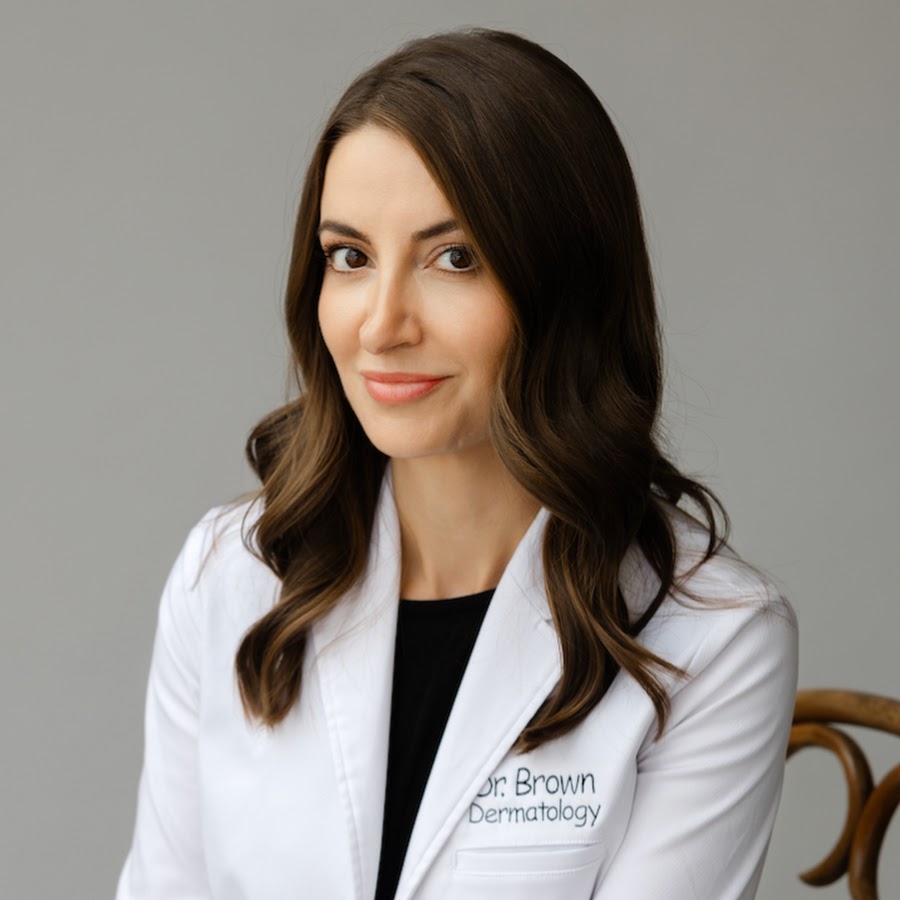
Her first pick after a retinoid, because it kills acne bacteria and calms the inflammation.
Benzoyl Peroxide will kill the bacteria on your skin that causes acne and it will decrease the inflammation associated with acne. The research and evidence shows that Benzoyl Peroxide is actually more effective than salicylic acid in treating acne, so that is why this is my first go-to after a retinoid.Watch ▸
Likes it at 4% as a wash left to sit, twice a week, and warns it bleaches towels and dries skin.
It can bleach your towels so be very careful if you have colored towels, and it can also dry your skin out. I like benzoyl peroxide very much, especially at 4%. You do not really need more. Five percent or ten percent washes are not necessarily better. [...] But you can use it on your face, let it sit, and then wash it off. I would recommend doing this twice a week.Watch ▸
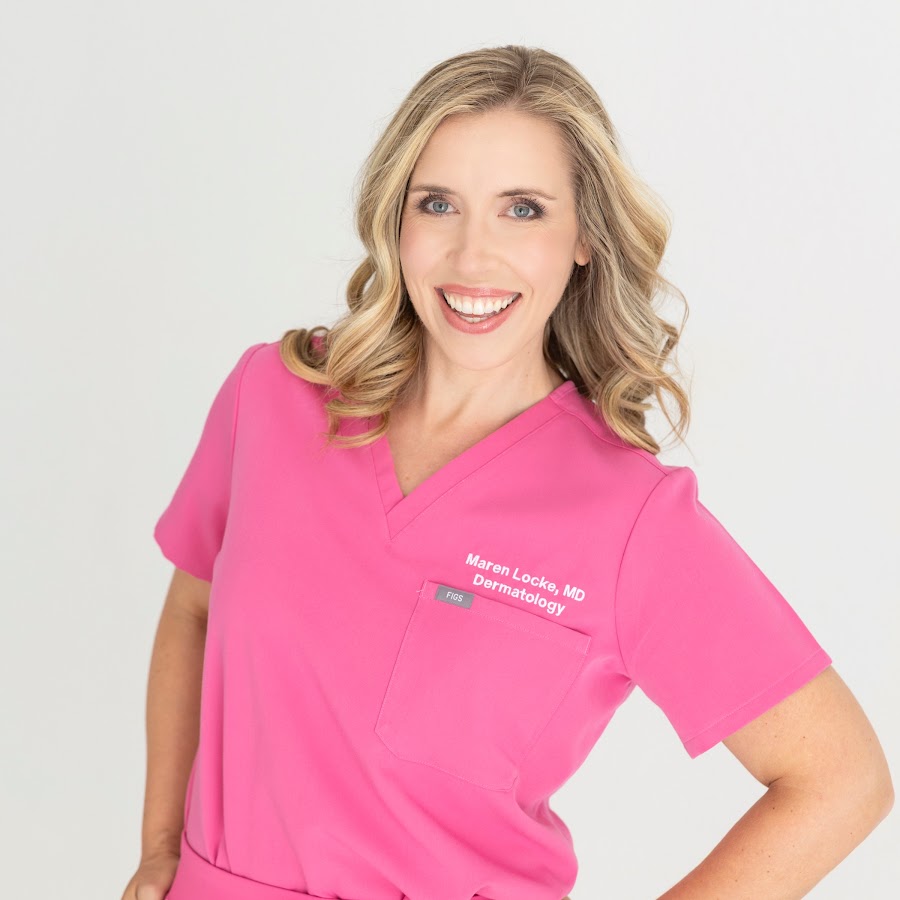
Still uses it herself despite the benzene news, and leaves the wash on for a couple of minutes.
I prefer benzoyl peroxide despite the recent studies of it maybe containing benzene, it still works, it's very effective and it releases very small amounts of benzene so I find it safe and I have continued to use it myself in the shower. [...] With Benzoyl Peroxide Cleanser it's important that when you apply you leave it on a couple of minutes before rinsing off.Watch ▸
Loves it, explains it kills acne bacteria with oxygen, and leaves a minute before layering anything on top.
I love benzoyl peroxide. The way benzoyl peroxide works is it kills P. acnes bacteria with oxygen. If you give it a minute to work, then put on your AM or PM gel, it's perfectly fine.Watch ▸
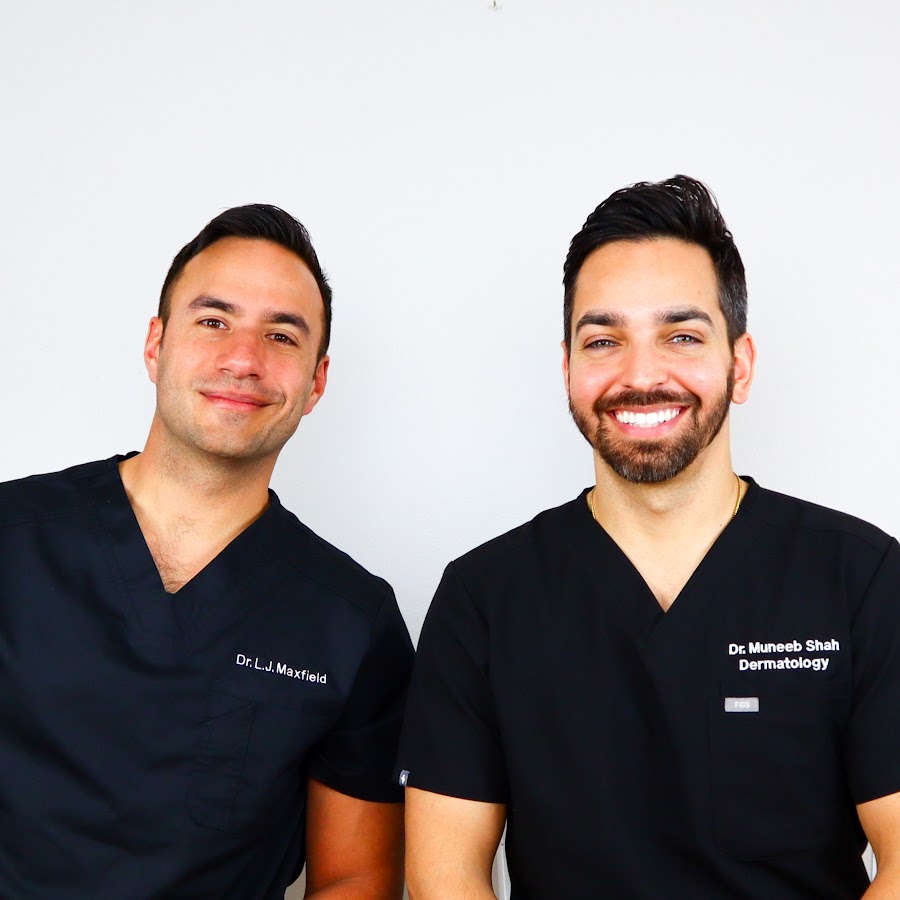
Useful for shave bumps at 2.5%, but warns it can be very drying and irritating for first-timers.
This is one that you can get at Target, it's pretty inexpensive, free of fragrance, it's 2.5 percent benzoyl peroxide. You can put this on any area of the face where you've got a lot of shave bumps and it can really help a lot. Now a word of warning about this: if you've never used benzoyl peroxide it can be very drying, can be very irritating, so not all skin types are going to tolerate this.Watch ▸
Key takeawayThe experts reach for benzoyl peroxide for inflamed acne and body breakouts, often as a wash. Their warnings are about dryness, bleached towels, and pregnancy.
Where do the experts agree?
The experts are on its side, so the caveats are where the useful detail sits.
Where they agree
It is the go-to for inflamed, red pimples and for acne on the back and chest.
A wash works well, as long as you leave it on for a few minutes before rinsing.
You do not need the strongest version: lower strengths are often enough.
The caveats
It can dry and irritate the skin, more so alongside other acne treatments [2].
It bleaches hair, towels, clothes and bedding [2].
Store it cool and replace it regularly, given the benzene findings [13].
In pregnancy the experts disagree, though medical sources consider it usually usable [15].
What does the research say about benzoyl peroxide?
Benzoyl peroxide has official standing as an acne medicine. In the US it is one of a handful of active ingredients allowed in over-the-counter acne products, at 2.5% to 10% [1]. The American Academy of Dermatology's 2024 acne guidelines make a strong recommendation for it, alongside topical retinoids, topical antibiotics and oral doxycycline, and a step above the conditional recommendation for salicylic acid and azelaic acid[3].
The trial evidence is older and messier than that standing suggests. A 2013 systematic review of 22 trials found some evidence that it reduces acne spots, but judged the trials too varied and too prone to bias for firm conclusions [19]. So it is a long-trusted treatment that guidelines rate highly, rather than one with a stack of modern head-to-head trials behind it.
On resistance, the research matches what the experts say. Bacteria do not become resistant to benzoyl peroxide, and it can reduce resistance that has come from antibiotics [4]. In a 2025 lab study, acne bacteria repeatedly exposed to clindamycin alone became resistant, while those exposed to clindamycin with benzoyl peroxide did not [18]. Dr Dray makes the same point: it reduces the need for acne antibiotics, and with them the risk of resistance.
The common side effects are on the skin: dryness, peeling, irritation and a burning feeling [6, 20]. US labels warn that irritation and dryness are more likely if you use another acne medicine at the same time [2]. Some people react more strongly, and contact dermatitis can be from irritation or a true allergy [4]. The NHS says it usually starts to work within 4 weeks, and to see a pharmacist or GP if acne has not improved after 12 weeks [20].
The thing to rememberA strongly recommended over-the-counter acne medicine that bacteria do not resist. The older trials are imperfect, and dryness is the side effect to watch.
What strength of benzoyl peroxide is best, and is a wash or a leave-on better?
Higher is not obviously better. In three double-blind studies in 153 people, a 2.5% gel reduced inflamed spots as well as 5% and 10% gels, and caused less peeling, redness and burning than the 10% [5]. It is an old study from 1986, but it is why the American Academy of Dermatology suggests starting with 2.5% to avoid dry, irritated skin [6].
What our experts use
Our experts mostly land in the lower to middle range. Dr. Shereene Idriss sticks to 4% and says 5% and 10% washes are not necessarily better. Doctorly suggest 10% for spot treating, but a 4% wash rather than 10% for sensitive areas such as the underarms. Dr Dray warns that even 2.5% can be very drying if you have never used it.
Wash or leave-on?
A leave-on gel or cream gives the longest contact with the skin. A wash is easier on large areas like the back, and rinsing it off spares your clothes [10]. The catch is contact time. In one small study, an 8% wash left on the back for about 20 seconds did not reduce acne bacteria at all, while a leave-on foam did [7, 8]. When a 9.8% foam was left on the back for 2 minutes before rinsing, it cut bacteria about as well as the leave-on [8].
That is the idea behind short-contact therapy, and it is why the American Academy of Dermatology says benzoyl peroxide on the back works best if left on for two to five minutes [10]. A lab study points the same way: 5% and 10% killed acne bacteria within 30 seconds, but 2.5% needed 15 minutes [9]. That was in a dish, not on skin, so treat it as a guide. Our experts agree on the habit: Dr. Aleksandra Brown, Dr. Shereene Idriss and Dr Dray all say to let a benzoyl peroxide wash sit for a few minutes before rinsing.
If you remember one thingStart at 2.5% to 5% for a leave-on. If you use a wash, a higher strength is fine, but leave it on for a couple of minutes before you rinse.
Is benzoyl peroxide safe? Benzene, pregnancy and allergy
For most people it is a well-established treatment, but three questions come up often enough to answer properly.
The benzene headlines
Benzene is a chemical linked to cancer, and benzoyl peroxide can break down into it. After a third-party lab sent the US Food and Drug Administration (FDA) results suggesting high benzene levels in some acne products, the FDA ran its own tests on 95 benzoyl peroxide products [11]. It reported in March 2025 that more than 90% had undetectable or extremely low levels of benzene, and six had elevated levels, which led to recalls at the retail level [11]. The FDA said that even with daily use for decades, the risk of developing cancer from the benzene found in these products is very low [11].
Heat matters. A 2025 peer-reviewed study of 111 over-the-counter products kept at room temperature found a wide range of benzene levels, and in stability tests of one prescription product, high levels formed at 50°C but none was apparent at 2°C [12]. The American Academy of Dermatology advises storing benzoyl peroxide products at room temperature or cooler, replacing them every 10 to 12 weeks, and throwing them away if they have been exposed to high temperatures, such as above 78°F (about 26°C) [13]. If you would rather avoid it, the academy points to topical retinoids, salicylic acid or azelaic acid instead [13].
Our experts were not alarmed. Dr. Aleksandra Brown still uses benzoyl peroxide herself, and Dr Dray called the scare fear-mongering.
Benzoyl peroxide in pregnancy
Our experts split here. Nipun Kapur, a skincare consultant, avoids benzoyl peroxide altogether during pregnancy and while breastfeeding.
The medical sources are more relaxed. The NHS says benzoyl peroxide can usually be used during pregnancy, but it is best to check, and that you may be able to use it while breastfeeding if a pharmacist or doctor agrees [15]. A 2023 review of acne treatment in pregnancy and breastfeeding lists topical benzoyl peroxide among the options for mild to moderate acne [14], and DermNet says it can be used in pregnancy [4]. If you are pregnant or breastfeeding, check with your doctor or midwife first, and if you are breastfeeding, the NHS says to keep it off the breasts [15].
Irritation and allergy
US labels tell new users to test it on one or two small areas for the first 3 days, not to use it on very sensitive skin, and to stop and ask a doctor if irritation becomes severe [2]. Most dryness is mild [4], but a true allergy is possible [4]. In one of her videos, Cassandra Bankson, a medical esthetician, calls benzoyl peroxide a great medication for acne while sympathising with a guest who turned out to be allergic to it.
Worth knowingThe FDA found little or no benzene in most products it tested and calls the risk very low. Store it cool and replace it regularly. In pregnancy, medical sources consider it usable, but check with your doctor first.
How do you use benzoyl peroxide in a skincare routine?
US labels give a simple rule for leave-on products: cleanse first, apply a thin layer over the whole affected area, and start with once a day, building up to two or three times a day only if needed [2]. The American Academy of Dermatology says to cover all your acne-prone skin, not just the spots you can see [6].
How often?
Daily use is standard on the label [2], but our experts often go lighter for upkeep. Dr Dray says two to three times a week can be more than enough for ongoing control, and Dr. Shereene Idriss suggests a wash twice a week. If your skin gets dry or sore, use it less often rather than giving up.
Protect your towels and clothes
Benzoyl peroxide bleaches hair and dyed fabrics [2]. Let a leave-on dry fully before your skin touches clothes, towels or bedding [4], rinse washes off thoroughly [10]. Dr. Aleksandra Brown's fix is a white towel, and Dr Dray prefers washes over leave-ons on the body for exactly this reason.
Sun and moisturiser
Labels advise avoiding unnecessary sun and using sunscreen[2]. A plain moisturiser helps with dryness, and The Budget Dermatologist builds one into her acne routine to make the treatment easier to tolerate.
Back, chest and body
A wash is the easy way to treat the back and chest. Lather it on, leave it for two to five minutes, then rinse [10]. Dr. Aanchal MD suggests the same approach for bumps on the buttocks, and Dr Dray and Doctorly also use benzoyl peroxide washes on the underarms for body odour.
The short versionStart once a day or less, cover the whole area thinly, leave washes on for a few minutes, and keep it away from coloured fabric.
What can you use benzoyl peroxide with?
Benzoyl peroxide works best alongside another acne treatment that tackles a different cause of acne [3]. The catch is that two acne medicines together make dryness and irritation more likely [2], so add one at a time.
Benzoyl peroxide and adapalene
A classic pairing. Adapalene stays stable when mixed with benzoyl peroxide, even in light [16], and a 2024 systematic review of eight trials in 4,596 people found the fixed combination safe and effective, with side effects that were mild and faded over time [17]. The Budget Dermatologist builds her beginner routine on exactly these two. Our adapalene guide has more.
Benzoyl peroxide and tretinoin
Take care with timing. In a lab study, benzoyl peroxide plus light broke down more than half of the tretinoin in about 2 hours [16], so do not apply them together. A cream that keeps the two apart in tiny capsules has been approved in the US [21]. Ask your doctor how to fit them into one routine. Our tretinoin guide has more.
Benzoyl peroxide and clindamycin
Clindamycin is an antibiotic, and some prescription gels combine it with benzoyl peroxide [4], which helps stop the acne bacteria becoming resistant to it [18]. If you have been prescribed a topical or oral antibiotic for acne, ask your doctor about adding benzoyl peroxide.
Benzoyl peroxide vs salicylic acid
They do different jobs. Benzoyl peroxide is best for inflamed pimples [6], and guidelines rate it more strongly [3]. Salicylic acid is aimed more at unclogging pores. The Budget Dermatologist puts benzoyl peroxide ahead of salicylic acid. You can use both, but not straight on top of each other if your skin is not used to them, a point Cassandra Bankson makes about using a benzoyl peroxide wash before an acid peel. Our salicylic acid guide has more.
Key takeawayPair it with adapalene for the best-studied combination, keep it apart from tretinoin, and let your skin settle into one active before adding the next.
The experts' picks, by what you need
The best one for you depends on your skin and your budget, so here is the top-rated pick for each need, from the products below.
Which benzoyl peroxide products do the gurus rate?
A high score for the ingredient does not carry over to every product that contains it. Strength, format and what else is in the tube all change the verdict. These are the highest-scoring benzoyl peroxide products that at least three experts have rated, ranked by Guru Score.
Benzoyl peroxide kills the bacteria linked to inflamed acne and has a mild unclogging and anti-inflammatory effect [4]. That makes it best for red, pus-filled pimples on the face, back and chest. The skincare experts we follow recommend it.
02
Is 2.5%, 5% or 10% benzoyl peroxide best?
Start low. In one older trial, 2.5% cleared inflamed spots as well as 5% and 10%, with less irritation than 10% [5], and the American Academy of Dermatology suggests starting at 2.5% [6]. Dr. Shereene Idriss sticks to 4% and says stronger washes are not necessarily better. Higher strengths make more sense in a wash, which is rinsed off.
03
Can bacteria become resistant to benzoyl peroxide?
No resistance has been seen. Benzoyl peroxide does not cause bacterial resistance and can reduce resistance that has come from antibiotic treatment [4]. In a lab study, bacteria exposed to clindamycin alone became resistant, while those exposed to clindamycin with benzoyl peroxide did not [18]. That is why it is so often paired with acne antibiotics.
04
Does a benzoyl peroxide wash work if you rinse it off?
Yes, if you give it time. In one small study, an 8% wash rinsed off after about 20 seconds did not reduce acne bacteria on the back [7, 8], but a product left on for 2 minutes worked about as well as a leave-on [8]. The American Academy of Dermatology says to leave it on the back for two to five minutes [10].
05
Can you use benzoyl peroxide every day?
Yes, the label directions are once a day, building up to two or three times only if needed [2]. Many people manage with less: Dr Dray says two to three times a week can be more than adequate for ongoing control. If your skin gets dry, tight or flaky, use it less often and add a moisturiser.
06
Does benzoyl peroxide bleach towels and clothes?
Yes. It bleaches hair and dyed fabrics [2]. Let a leave-on dry completely before it touches clothes, towels or bedding [4], rinse washes off well [10], and use white towels. Dr Dray prefers washes over leave-ons on the body because a leave-on will ruin your clothes.
07
Is benzoyl peroxide safe after the benzene news?
The FDA tested 95 benzoyl peroxide products and found that more than 90% had undetectable or extremely low benzene; six with elevated levels were recalled from shops [11]. It said the cancer risk, even with daily use for decades, is very low [11]. The American Academy of Dermatology advises storing products cool and replacing them every 10 to 12 weeks [13].
08
Is benzoyl peroxide safe in pregnancy?
Medical sources generally consider it usable. The NHS says it can usually be used during pregnancy but it is best to check [15], and a 2023 review lists it among options for mild to moderate acne in pregnancy [14]. Nipun Kapur takes the cautious route and avoids it while pregnant or nursing. Check with your doctor or midwife first.
09
Can you use benzoyl peroxide with adapalene?
Yes, it is one of the best-studied combinations. Adapalene stays stable alongside benzoyl peroxide [16], and a 2024 review of eight trials found the fixed combination safe and effective, with mild side effects that faded [17]. Expect more dryness than with either alone [2], so start slowly and use a moisturiser.
10
Can you use benzoyl peroxide with tretinoin?
Not at the same moment, unless your doctor prescribes a combined product. In a lab study, benzoyl peroxide with light broke down 95% of the tretinoin within 24 hours [16], so keep them apart and ask your doctor how to space them. A combined cream that keeps the two apart in capsules is approved in the US [21].
11
Benzoyl peroxide vs salicylic acid: which is better?
It depends on your spots. Benzoyl peroxide is especially good for inflamed pimples [6] and has the stronger guideline recommendation [3]. Salicylic acid is aimed more at unclogging pores. The Budget Dermatologist rates benzoyl peroxide as more effective. Many people use both, at different times, to avoid irritation [2].
12
How long does benzoyl peroxide take to work?
Usually a few weeks. The NHS says it usually starts to work within 4 weeks, and to see a pharmacist or GP if your acne gets worse or has not improved after 12 weeks [20]. Use it steadily on the whole acne-prone area rather than only on spots you can see [6].
13
Can benzoyl peroxide help body odour?
Some of our experts think so. Dr Dray suggests washing the underarms with a benzoyl peroxide acne wash once or twice a week to cut down the bacteria that break down sweat, and Doctorly suggest a 4% wash rather than 10% for those sensitive areas. We found no clinical trial on this use, so treat it as expert experience.
The experts behind the score
12 experts, 31 mentions, every one traced to a video you can watch. Sponsored takes are excluded.
Reynolds RV et al. Guidelines of care for the management of acne vulgaris. Journal of the American Academy of Dermatology, 2024. pubmed.ncbi.nlm.nih.gov/38300170/
Mills OH, Kligman AM, Pochi P, Comite H. Comparing 2.5%, 5%, and 10% benzoyl peroxide on inflammatory acne vulgaris. International Journal of Dermatology, 1986. pubmed.ncbi.nlm.nih.gov/2948929/
Leyden JJ. Efficacy of benzoyl peroxide (5.3%) emollient foam and benzoyl peroxide (8%) wash in reducing Propionibacterium acnes on the back. Journal of Drugs in Dermatology, 2010. pubmed.ncbi.nlm.nih.gov/20645523/
Leyden JJ, Del Rosso JQ. The effect of benzoyl peroxide 9.8% emollient foam on reduction of Propionibacterium acnes on the back using a short contact therapy approach. Journal of Drugs in Dermatology, 2012. pubmed.ncbi.nlm.nih.gov/22777224/
Boonchaya P et al. Minimum Contact Time of 1.25%, 2.5%, 5%, and 10% Benzoyl Peroxide for a Bactericidal Effect Against Cutibacterium acnes. Clinical, Cosmetic and Investigational Dermatology, 2022. pubmed.ncbi.nlm.nih.gov/35300432/
Kucera K et al. Evaluation of Benzene Presence and Formation in Benzoyl Peroxide Drug Products. Journal of Investigative Dermatology, 2025. pubmed.ncbi.nlm.nih.gov/39384016/
Ly S et al. Treatment of Acne Vulgaris During Pregnancy and Lactation: A Narrative Review. Dermatology and Therapy, 2023. pubmed.ncbi.nlm.nih.gov/36447117/
Martin B, Meunier C, Montels D, Watts O. Chemical stability of adapalene and tretinoin when combined with benzoyl peroxide in presence and in absence of visible light and ultraviolet radiation. British Journal of Dermatology, 1998. pubmed.ncbi.nlm.nih.gov/9990414/
Sattar K et al. Safety and Efficacy of Fixed-Dose Combination of Adapalene and Benzoyl Peroxide in Acne Vulgaris Treatment: A Systematic Review of Clinical Trials. Cureus, 2024. pubmed.ncbi.nlm.nih.gov/39403646/
Ghannoum M et al. Criticality of Benzoyl Peroxide and Antibiotic Fixed Combinations in Combating Rising Resistance in Cutibacterium acnes. Clinical, Cosmetic and Investigational Dermatology, 2025. pubmed.ncbi.nlm.nih.gov/40190474/
Mohd Nor NH, Aziz Z. A systematic review of benzoyl peroxide for acne vulgaris. Journal of Dermatological Treatment, 2013. pubmed.ncbi.nlm.nih.gov/22658322/
Singh R, Chatim A, Kankaria A, Feldman S. Review of Tretinoin-Benzoyl Peroxide in The Treatment of Acne Vulgaris. Journal of Drugs in Dermatology, 2022. pubmed.ncbi.nlm.nih.gov/36219052/
How this guide was made
This guide combines two kinds of information. The expert consensus comes from 31 mentions of benzoyl peroxide by 12 skincare experts in their YouTube videos. Each one was read, given a Yay, Mixed or Nay verdict and linked to the moment it was said. Sponsored takes are excluded. The research sections summarise published studies, regulations and medical sources, listed in full above.
The Guru Score measures how warmly the experts talk about benzoyl peroxide. It is not a measure of clinical effectiveness, and this guide is not medical advice. It has not been reviewed by a doctor.
This guide is general information, not medical advice. The Guru Score reflects how warmly the experts we track talk about benzoyl peroxide; it is not a measure of clinical efficacy. Speak to a dermatologist or doctor about a diagnosed skin condition, and before using any medicine.








 Dr. Sam Ellis
 Mixed Makeup
 Nipun Kapur