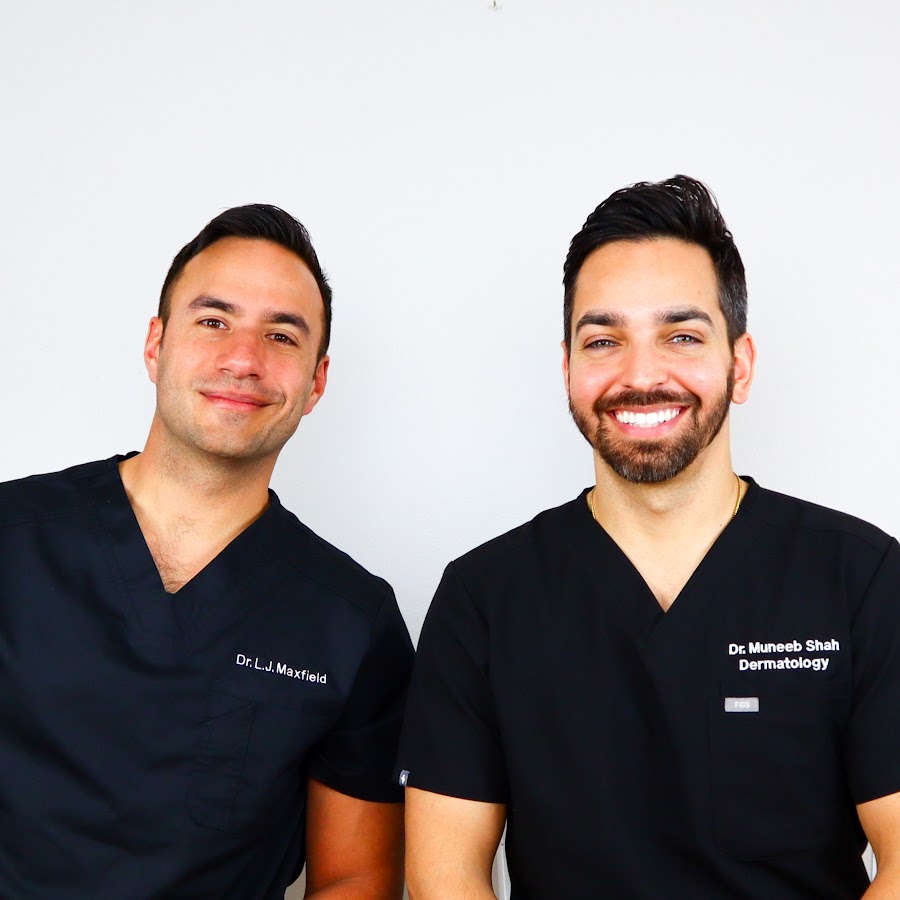
Spironolactone for Acne and Hair Loss: What Skincare Experts Say
The prescription tablet dermatologists reach for when acne and thinning hair are driven by hormones. What it does, what the trials found, who should not take it, and what 5 skincare experts said about it on camera.
Spironolactone keeps coming up when people talk about acne that will not budge. Then the questions pile up. Isn't that a blood pressure tablet? Is it only for women? How long before you see a difference? Do you need blood tests? And is there a cream version instead?
Where the experts land is careful. They rate it for the right patient, a woman whose acne or thinning hair is driven by hormones. They like that one tablet can help with acne, oily skin and pattern hair loss, and that it gives women an option that is not an antibiotic.
Spironolactone is not a skincare ingredient at all. It is a prescription tablet, licensed for heart failure and high blood pressure, that dermatologists prescribe off label for hormonal acne and female pattern hair loss. Its Guru Score is 80%, from 11 mentions by 5 experts, most of them dermatologists. The reservations are about the side effects and about who it is for: it is not usually given to men for skin problems, and it is not for pregnancy. Below, what the experts said sits next to what the trials, guidelines and drug labels say, so you can see where the two line up. This guide is not a substitute for a doctor: spironolactone is a medicine, and the decision to take it is one to make with yours.
The quick answer
Spironolactone is a prescription tablet that dermatologists use off label to treat hormonal acne, and sometimes female pattern hair loss, in women. The experts we follow rate it for the right patient, with their reservations aimed at side effects and at who it suits. A large UK trial in women with persistent acne found it worked better than a placebo, with the clearest difference at six months [1], and the American Academy of Dermatology's 2024 acne guideline gives it a conditional recommendation [2]. It needs a prescription, it is not usually given to men for skin problems, and it should not be taken in pregnancy [4, 5, 6].
Before you buy
Before you start spironolactone
It needs a prescriptionIt is a prescription medicine in the US and the UK, and for skin and hair it is used off label [4, 5, 6].
Not in pregnancyDo not take it if you are pregnant or trying to be, and stop and tell your doctor if you become pregnant [4, 5, 6].
Tell your doctor everythingKidney or heart problems, potassium supplements, some blood pressure tablets and the antibiotic trimethoprim all matter [4, 6].
Give it monthsAcne usually responds within about three months, and hair can take up to six [6].
Spironolactone at a glance
Question
What we found
What is it used for?
In dermatology, hormonal acne in women, plus female pattern hair loss and unwanted hair growth (hirsutism). These are off-label uses [6].
Do skincare experts recommend it?
Yes, for women with hormonal acne or hair loss, with care over side effects, pregnancy and men.
Is it a cream?
No. The version with the research behind it is a tablet. Topical spironolactone exists but has much less evidence [9].
For acne, around three months. For hair, up to six months [6].
Can men take it?
It is not usually given to men for skin problems. It can cause breast enlargement in men [4, 6].
Is it safe in pregnancy?
No. Do not take it if you are pregnant or trying to be, and stop and tell your doctor if you become pregnant [4, 5, 6].
Spironolactone for acne: what does it do?
Spironolactone is a tablet first approved in the US in 1960, and licensed today for heart failure, high blood pressure and fluid build-up [4]. It is a diuretic, or water tablet [5]. It also blocks the effects of androgens, hormones such as testosterone, and that is why dermatologists use it [6].
In dermatology it is used off label, which means outside the conditions it was licensed for, to treat women with acne, female pattern hair loss and hirsutism [6].
It is not a quick fix. The British Association of Dermatologists says acne usually responds within three months, and hair can take up to six months to show a benefit [6].
The short versionSpironolactone is a blood pressure tablet that also blocks androgens. Dermatologists prescribe it to women whose acne or hair loss is driven by those hormones.
What do skincare experts say about spironolactone?
Here is what each of them said on camera, with a link to the moment they said it.
Rates it for acne in women, including back acne, but says it is not prescribed to men because it can cause breast development.
Spironolactone is an oral medication that can be particularly effective for acne in general, including acne breakouts on the back. However, it's not something that we prescribe to males because it does have several adverse effects in males, such as breast development.Watch ▸
Often her first choice for hormonal hair thinning alongside minoxidil, and the same tablet she uses for hormonal acne.
For androgenetic alopecia and hormonally driven thinning, spironolactone is often my first line alongside minoxidil. It's an androgen blocker that reduces DHT activity at the follicle level. It's the same medication I use for hormonal acne, and many of my patients find it addresses both simultaneously.Watch ▸
Finds it very helpful for jawline breakouts, but warns about low blood pressure and side effects such as breast enlargement, which kept her off it.
Spironolactone is a blood pressure medication that can also help with hormonal breakouts to minimize the breakouts along the jawline. And it can be very, very helpful as well. But if your blood pressure runs on the low side, you have to be careful with that. Plus, there are other side effects that some people just don't necessarily want, like breast enlargements, and I have lived that experience as well. Hence why I could not be on spironolactone.Watch ▸
Key takeawayThe experts rate spironolactone for women with hormonal acne and pattern hair loss, and their warnings are about side effects, low blood pressure, pregnancy and men.
Where do the experts agree?
Most of the experts back it, so the caveats are where the useful detail sits.
Where they agree
It is a treatment for women, aimed at acne and hair loss driven by hormones.
One tablet can help with acne, oily skin, pattern hair loss and unwanted hair growth.
It is a prescription medicine, so it starts with a doctor.
It is not for pregnancy or for anyone trying to conceive.
The caveats
Breast tenderness, irregular periods and dizziness are common side effects [6].
It is not usually given to men, because it can cause breast enlargement [4, 6].
It takes months: around three for acne and up to six for hair [6].
The trial evidence is strongest for acne; for hair it is thinner [1, 8].
What does the research say about spironolactone?
The strongest evidence is for acne. The SAFA trial, published in the BMJ in 2023, gave 410 women aged 18 or over with persistent facial acne either spironolactone or a placebo tablet for 24 weeks [1]. Their acne was bad enough that a doctor would have considered antibiotic tablets [1].
At 12 weeks, 19% of women on spironolactone were judged a treatment success by the trial doctors, against 6% on placebo [1]. By 24 weeks the gap had widened: 82% of women on spironolactone said their acne had improved, against 63% on placebo [1]. The authors concluded it is a useful alternative to oral antibiotics for women with acne [1].
The American Academy of Dermatology's 2024 acne guideline makes a conditional recommendation for spironolactone, the same grade it gives combined contraceptive pills [2].
For female pattern hair loss, a 2026 clinical review in the Canadian Medical Association Journal lists oral spironolactone among the first-line options alongside minoxidil, and cites a systematic review in which 43% of people taking spironolactone on its own saw increased hair density [8]. We found no hair loss trial on the scale of SAFA.
The thing to rememberGood trial evidence for acne in adult women, with the benefit building over six months. Supportive but less tested evidence for female pattern hair loss.
Who can take spironolactone, and who should not?
Spironolactone is a prescription medicine in both the US and the UK [4, 5]. For skin and hair it is prescribed off label, and in the UK the British Association of Dermatologists says it is usually available on the NHS [6]. A GP or dermatologist will decide whether it suits you.
Not for pregnancy
Do not take spironolactone if you are pregnant or trying to become pregnant. Because it blocks androgens, which a male baby needs to develop normally, the US label says to avoid it in pregnancy; in rat studies it feminised male fetuses [4]. The NHS says it is not usually recommended in pregnancy because it can potentially affect a baby's development [5].
If you become pregnant while taking it, stop and tell your doctor [6]. Advice on contraception varies: the women in the SAFA trial had to use contraception during treatment [1], while the British Association of Dermatologists' leaflet says it is not required [6]. Ask your prescriber what applies to you, and talk to them before trying for a baby. If you are breastfeeding, the NHS says to check with a doctor first [5].
Not for men
Spironolactone is not usually given to men to treat skin problems [6]. The reason is the side effect several of our experts name: breast enlargement. In a heart failure trial, about 9% of men taking a low daily dose developed it [4].
Other reasons it may not suit you
The US label rules it out for anyone with a high potassium level or Addison's disease, and warns it can lower blood pressure [4]. Tell your doctor about kidney or heart problems, and about other medicines, especially potassium supplements, some blood pressure tablets (ACE inhibitors) and the antibiotic trimethoprim [4, 6].
If you remember one thingIt is for women, with a prescription, and not for pregnancy. A doctor checks whether your health and other medicines make it a safe choice.
Spironolactone side effects and potassium tests
Most people tolerate it well, but side effects are common enough to know about before you start.
Common side effects
The British Association of Dermatologists lists breast tenderness or enlargement and irregular periods, along with dizziness from a drop in blood pressure [6]. In the SAFA trial, headaches (20% against 12% on placebo) and dizziness (19% against 12%) were more common on spironolactone, and no serious adverse reactions were reported [1]. Because it is a water tablet, it can also make you pee more [5].
Do you need potassium blood tests?
Spironolactone can raise potassium in the blood, and its US label, written for heart failure and blood pressure, asks for regular checks [4]. For healthy women taking it for acne, the picture is different. In a study of 974 healthy young women taking it for acne, the rate of high potassium readings was 0.72%, the same as in similar women not taking it, and the authors concluded routine monitoring is unnecessary [3].
The AAD's 2024 guideline says potassium monitoring is not needed in healthy patients, but to consider testing for anyone with risk factors such as older age, other medical conditions or certain medicines [2, 10]. The SAFA authors describe a growing consensus that a baseline check is advisable but ongoing monitoring is unnecessary for most young women [1]. Your prescriber decides which tests you need.
What about cancer?
The US label notes that spironolactone caused tumours in rats given high doses [4]. In people, a 2022 review of seven large studies covering more than 4.5 million people found no significant link with breast cancer [7]. The certainty of that evidence was very low, and the people studied were mostly older, so the authors called for studies in younger groups such as those taking it for acne [7].
Worth knowingBreast tenderness, irregular periods, dizziness and headaches are the side effects to expect. Healthy young women may not need regular potassium tests, but that is your prescriber's call.
What to expect when you start spironolactone
Follow your prescriber's instructions. The dose is their decision, and it is usually started low and raised if you tolerate it: in the SAFA trial, women took 50 mg a day for six weeks, then 100 mg a day [1].
Give it time
Expect acne to respond over about three months, and hair over up to six [6]. In the SAFA trial, the difference from placebo was much clearer at 24 weeks than at 12 [1], so judging it after a few weeks is too soon.
Alongside other treatments
Spironolactone is often one part of a plan rather than the whole of it. Dr Dray describes it working alongside the contraceptive pill, and Dr. Mamina uses it with minoxidil for hair loss. Ask your prescriber how it fits with the rest of your acne or hair routine, and keep them in the loop about anything new you add.
Potassium in your diet
The NHS warns that potassium-rich foods such as bananas and avocados, and salt substitutes such as Lo-Salt, can raise potassium further while you take it, and suggests asking a doctor or dietitian for advice [5].
The short versionA prescriber sets the dose and the tests. Give acne three months and hair six before you judge it.
Is there a spironolactone cream?
Spironolactone creams and gels have been studied too. The idea is to target the skin or scalp without affecting the whole body. A 2026 review found topical spironolactone reduced spots with minimal absorption into the body, but called the evidence limited: small studies, varied designs and mostly indirect data [9]. Dr. Shereene Idriss says she tried a version made up by a compounding pharmacy on her scalp and gave up on the smell.
One thing it is not: Winlevi. That acne cream contains clascoterone, a different drug that also blocks androgen receptors in the skin, approved in the US for acne in people aged 12 and over [11]. It is sometimes described as a spironolactone cream, but it is not one.
Key takeawayThe tablet has the evidence. Topical spironolactone is promising but thinly studied, and Winlevi is a different medicine.
Frequently asked questions about spironolactone
01
What is spironolactone used for in dermatology?
Spironolactone is used off label to treat women with hormonal acne, female pattern hair loss and hirsutism, or unwanted hair growth [6]. It was developed as a water tablet for heart failure and high blood pressure, but it also blocks androgens, the hormones that drive oil production and pattern hair loss [4, 6]. The skincare experts we follow rate it for women whose acne or hair loss is driven by hormones.
02
Does spironolactone work for acne?
Yes, for many women. In the SAFA trial of 410 women with persistent acne, 82% on spironolactone said their acne had improved at 24 weeks, against 63% on placebo, and clinicians judged more of them a treatment success at 12 weeks [1]. The AAD's 2024 guideline conditionally recommends it [2]. It does not suit everyone, so talk it through with a doctor.
03
How long does spironolactone take to work for acne?
Around three months for acne, and up to six months for hair, according to the British Association of Dermatologists [6]. In the SAFA trial, the difference from placebo was much larger at 24 weeks than at 12 [1], so it is worth giving it time before deciding whether it works for you.
04
Does spironolactone help hair loss in women?
It can, for female pattern hair loss. A 2026 clinical review lists oral spironolactone among the first-line options alongside minoxidil, and cites a systematic review in which 43% of people taking it on its own saw denser hair [8]. Dr. Mamina, a dermatologist, says it is often her first choice for hormonal thinning. Hair takes up to six months to respond [6].
05
Can men take spironolactone for acne?
It is not usually given to men for skin problems [6]. Because it blocks androgens, it can cause breast enlargement in men: in a heart failure trial, about 9% of men on a low daily dose developed it [4]. Dr Dray, a dermatologist, says the same about why it is not prescribed to men. Men with acne have other options, so ask a doctor.
06
Can you take spironolactone while pregnant?
No. The US label says to avoid it in pregnancy because it may affect the development of a male baby, and the NHS says it is not usually recommended in pregnancy [4, 5]. If you become pregnant while taking it, stop and speak to your doctor [6]. Talk to your prescriber before trying for a baby, and about contraception while you take it.
07
What are the side effects of spironolactone?
The common ones are breast tenderness or enlargement, irregular periods and dizziness [6]. In the SAFA trial, headaches and dizziness were more common than on placebo, and no serious adverse reactions were reported [1]. It can also lower blood pressure and raise potassium, which matters more for people with kidney problems or on certain medicines [4].
08
Do you need blood tests on spironolactone?
It depends on your health. The AAD's 2024 guideline says potassium monitoring is not needed in healthy patients, but should be considered with risk factors such as older age, other conditions or certain medicines [2, 10]. A study of 974 healthy young women on it for acne found high potassium no more often than in women not taking it [3]. Your prescriber decides.
09
Does spironolactone cause cancer?
The evidence in people does not show a link with breast cancer. A 2022 review of seven studies covering more than 4.5 million people found no significant association, though the certainty was very low and the people studied were mostly older [7]. The US label notes tumours in rats given high doses [4]. If it worries you, raise it with your doctor.
10
Is spironolactone better than antibiotics for acne?
It is an alternative rather than a straight swap. The SAFA trial was run in women whose acne was bad enough for antibiotic tablets, and its authors call spironolactone a useful alternative to them [1]. A 2026 review found head-to-head trials showed it working as well as or better than doxycycline [9]. It avoids long courses of antibiotics, but it is only for women.
11
Can you take spironolactone with the pill?
Yes, the two are often used together, but that is a decision for your prescriber. Dr Dray says spironolactone complements the contraceptive pill. The AAD's 2024 guideline conditionally recommends both combined contraceptive pills and spironolactone for acne [2]. The pill also gives you contraception, which matters because spironolactone should not be taken in pregnancy [4].
12
Is there a topical spironolactone cream?
Creams and gels have been studied, but the evidence is thin. A 2026 review found topical spironolactone reduced spots with minimal absorption, but the studies were small and varied [9]. Winlevi is a different drug, clascoterone, that also blocks androgen receptors in the skin [11]. For the tablet, the evidence is much stronger [1].
13
Do dermatologists recommend spironolactone?
The dermatologists we feature do, with caveats. Dr Dray and Dr. Mamina rate it for acne and hair loss in women, while Dr. Shereene Idriss finds it helpful but warns about low blood pressure and side effects that kept her off it.
The experts behind the score
5 experts, 11 mentions, every one traced to a video you can watch. Sponsored takes are excluded.
Santer M et al. Effectiveness of spironolactone for women with acne vulgaris (SAFA) in England and Wales: pragmatic, multicentre, phase 3, double blind, randomised controlled trial. BMJ, 2023. pubmed.ncbi.nlm.nih.gov/37192767/
Reynolds RV et al. Guidelines of care for the management of acne vulgaris. Journal of the American Academy of Dermatology, 2024. pubmed.ncbi.nlm.nih.gov/38300170/
Plovanich M, Weng QY, Mostaghimi A. Low Usefulness of Potassium Monitoring Among Healthy Young Women Taking Spironolactone for Acne. JAMA Dermatology, 2015. pubmed.ncbi.nlm.nih.gov/25796182/
British Association of Dermatologists. Spironolactone: patient information leaflet. Updated November 2022. bad.org.uk/pils/spironolactone/
Bommareddy K, Hamade H, Lopez-Olivo MA, Wehner M, Tosh T, Barbieri JS. Association of Spironolactone Use With Risk of Cancer: A Systematic Review and Meta-analysis. JAMA Dermatology, 2022. pubmed.ncbi.nlm.nih.gov/35138351/
Łyko M, Złotowska A, Jankowska-Konsur A. Oral and Topical Spironolactone in Adult Female Acne: A Narrative Review Comparing Systemic and Local Approaches. Clinical, Cosmetic and Investigational Dermatology, 2026. pubmed.ncbi.nlm.nih.gov/42820094/
This guide combines two kinds of information. The expert consensus comes from 11 mentions of spironolactone by 5 skincare experts in their YouTube videos. Each one was read, given a Yay, Mixed or Nay verdict and linked to the moment it was said. Sponsored takes are excluded. The research sections summarise published studies, clinical guidelines, drug labels and medical sources, listed in full above.
The Guru Score measures how warmly the experts talk about spironolactone. It is not a measure of clinical effectiveness, and this guide is not medical advice. Spironolactone is a prescription medicine, so talk to a doctor before you start. It has not been reviewed by a doctor.
This guide is general information, not medical advice. The Guru Score reflects how warmly the experts we track talk about spironolactone; it is not a measure of clinical efficacy. Speak to a dermatologist or doctor about a diagnosed skin condition, and before using any medicine.